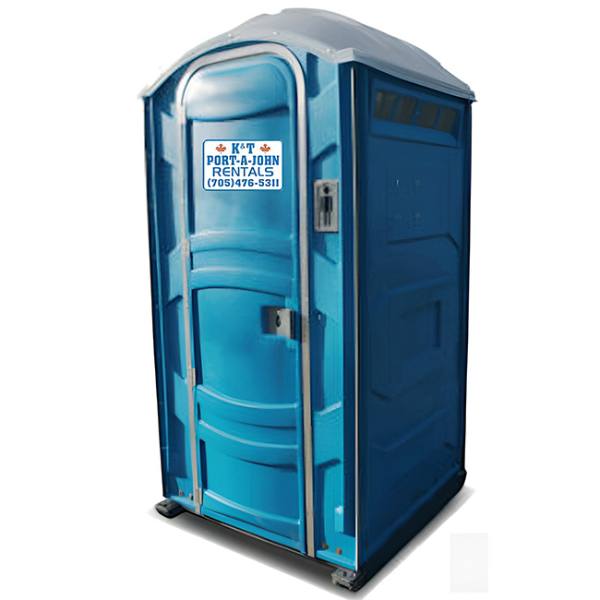
Portable toilet rental is one of those things most site managers think about last. You have equipment to arrange, subcontractors to confirm, permits to sort. Sanitation feels like a checkbox item. It isn’t. Get the mobile toilet rental wrong, and you’re looking at OSHA compliance issues, crew morale problems, and lost time. Get it right, and nobody thinks about it at all. That second outcome is exactly what you want.
How Mobile Toilet Rental Delays Actually Happen
Most delays don’t come from the toilets themselves. They come from the decisions made before delivery day. A site manager books too few mobile toilet rental units for the crew size. The workers begin leaving the construction site to relieve themselves elsewhere. That translates to 10 to 15 minutes per excursion for each worker. In a group of twenty workers, you will see how quickly the losses will build up over the course of a typical work week.
The Ontario Ministry of Labour demands that there be one toilet facility for every ten workers present at a construction site. This is the bare minimum. If workers are rotating shifts or the site runs long hours, your needs are almost certainly higher than that minimum.
Portable Toilet Rental Placement is Not an Afterthought
Where you put the units matters more than people expect. A portable toilet rental placed too far from the work area gets ignored. Workers either make do or leave the site. Either outcome costs you.
The standard guidance is to keep units within 90 metres of the active work zone. This could be achieved by having several trailers scattered around various areas of the construction project instead of gathering them close to the entry point to the construction site. Consider where your workers are mostly spending their time, not the easy access for delivery trucks.
Accessibility matters here too. ADA-compliant units need to be on level ground with enough clearance for approach. If your site includes workers with mobility requirements, that’s not optional.
Maintenance Schedules Affect Crew Performance
A portable toilet rental that doesn’t get serviced regularly becomes a morale issue quickly. Workers notice. And when sanitation conditions are poor, productivity drops. That might sound like an overstatement, but it’s documented.
Standard servicing for construction sites runs once per week at minimum. On larger sites or during peak heat months, twice weekly is worth considering. Each service visit includes waste removal, restocking of hand sanitizer, and a wipe-down of surfaces.
If your site runs for several months, build the servicing schedule into your planning early. A lot of rental agreements allow you to adjust frequency as crew size changes. Ask about that before you sign.
What Happens When You Underprepare
Perhaps the most common mistake is treating the mobile toilet rental as a one-time decision. You book the units, they arrive, done. But construction sites change. Crew size shifts. Project timelines extend. Weather affects access routes for service vehicles.
A site that starts with eight workers might have 30 by month two. If your rental contract doesn’t account for that kind of growth, you’re scrambling to add units mid-project, often at short notice and sometimes at higher rates.
To Wrap Up
Construction schedules are tight enough without sanitation becoming a variable. The decisions you make before the first unit arrives are the ones that determine whether this stays off your radar or lands on your problem list.
Featured Image Source: https://ktportajohn.ca/wp-content/uploads/2026/02/deluxes.jpg


