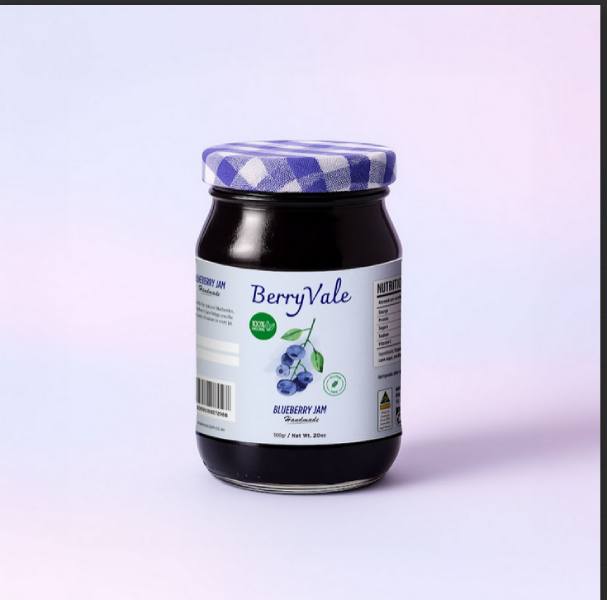
A label looks like a small thing in the overall scheme of costing for a product. It sits on the bottle, the jar, or the box, and most shoppers glance at it for a second before moving on. That one second still does a lot of work. Get it wrong, and you do not just lose a label; you chip away at how much a customer trusts what they are about to buy. A peeling corner or a smudged logo quietly tells a buyer something about the product inside, and the message is rarely a good one.
Small brands feel this sharper than most. Money is tight, every print run counts, and a bad batch of labels eats into cash that was meant for stock or marketing. Sorting out label sticker printing early saves both the budget and the headache. The mistakes below cost real money, and they repeat.
That is the useful part. The same errors show up across new brands again and again, so you can step around them once you know the pattern. What follows are the label sticker printing slip-ups that drain budgets, and what each one tends to cost when nobody catches it in time.
Picking The Wrong Material For The Job
Paper and synthetic labels behave differently. Paper suits dry products that sit on a shelf, like packaged goods or gift items, and it keeps the price down. Synthetic stock copes with moisture, handling, and cold far better. The problem starts when a brand picks paper to shave a few cents, then watches it wrinkle on a chilled bottle. The label was fine. The choice was not. Match the material to where the product actually lives, not to the cheapest line on the quote.
Treating Water Resistance As An Afterthought
Picture a drink bottle pulled from an ice bucket, or a face serum sitting on a steamy bathroom shelf. A plain paper label often struggles in those spots. The print blurs, the edges lift, and the whole bottle starts to look second-hand. Synthetic labels hold up to damp far better, which is why so many drinks and cosmetics brands reach for them. Not every paper label dies the moment it meets water, but planning for the real conditions beats crossing your fingers after the run is printed.
Ignoring The Surface The Label Sticks To
Not every adhesive grips every surface. A label made for smooth glass can struggle on a textured pouch or a powder-coated tin. Cold storage adds another twist, because some adhesives loosen in the fridge or freezer. When the glue gives way, the label curls at the corner, and a curling corner reads as careless to anyone holding the product. Pick the label type with the surface in mind, and factor in where the product will sit, so the adhesive suits the job from the start.
Spending Less By Getting It Right
Most of these mistakes share one root. They come from rushing the call and treating the label as the last box to tick. Slow down at the start. Match the material and finish to the product, check the artwork file properly, and order a sample before the big run. Custom label sticker printing pays back the brands that plan ahead. The ones that guess usually end up buying the same labels twice, and that second bill stings the most. Treat the label as part of the product, not a sticker slapped on at the end, and the maths starts working in your favour.
Featured Image Source: https://drive.google.com/drive/folders/13PxwF-7zeBRsgDXqXP_omxRJPSngrhEP


