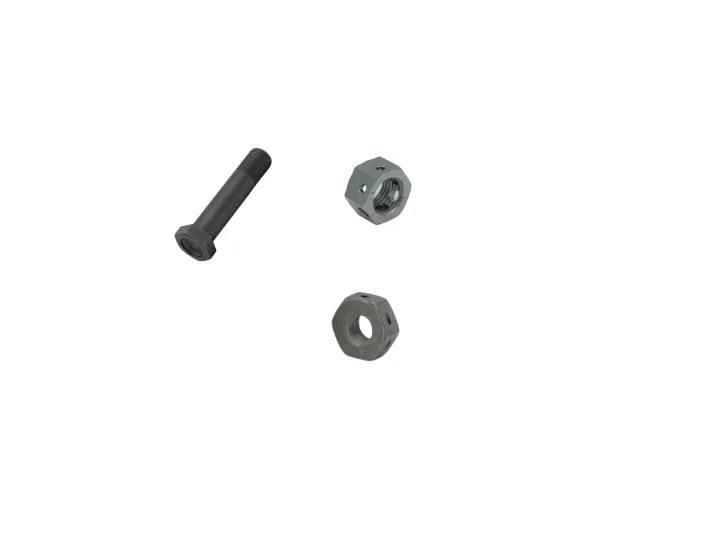
A production line can sit idle for want of a single bolt. That sounds dramatic, until it happens to you. Then it just sounds expensive. Working with an aerospace fasteners supplier is less about price than most people expect, and more about whether the parts arrive correctly, on time, with paper certification that holds up under audit.
Three things decide that. Let’s break them down.
Standards come first
Start with certification. A real aerospace fastener supplier holds AS9100, the quality management system standard for aviation, space, and defence. The International Aerospace Quality Group developed it, and SAE International publishes it in the Americas. The current version is Revision D, from 2016.
If your part goes through heat treating, plating, or nondestructive testing, those steps fall under Nadcap. The Performance Review Institute runs it, and it audits the process rather than the whole company. So check the accreditation covers your exact process. A certificate for the wrong one does you no good.
Lead Times Will Test Your Patience
Here is the part nobody likes to hear. Lead times stay long in this field, and they have stayed long for a while. The supply chain suffered through the pandemic and is still catching up. One analysis pointed to a recovery that could stretch across two more years, with parts shortages and extended lead times straining the rebound.
It got worse in early 2025. A fire at a major fastener plant disrupted supply across the industry, with Boeing, GE Aerospace, and Safran all checking their exposure. Material certification timelines for aerospace-grade fasteners have stretched too. Some signs point to fastener supply loosening a little through 2025, though I would not bank your schedule on it.
What does that mean for you?
- Order earlier than feels reasonable, then add a buffer.
- Ask for a real promised date, not a hopeful one.
- Get the supplier’s position in writing on what happens if they slip.
Some aerospace fastener companies carry stock of common sizes, which can save weeks. Worth asking up front.
Documentation is the Part People Underestimate
A correct part with missing paperwork is, on paper, a reject. Harsh, but that is how flight hardware works.
When the shipment lands, you want:
- Material certificates tracing the metal back to the mill
- First article inspection reports, following AS9102, for any new or revised part
- Certificates of conformance signed against the purchase order
- Lot and batch traceability you can follow if a recall ever hits
A Few Questions Before You Sign
You do not need an engineering degree to vet a supplier. Plain questions work:
- Is the AS9100 certificate current, and does it cover this part?
- Are the special processes Nadcap-accredited?
- What is the honest lead time, and what is the backup if a date slips?
- Will full documentation ship with every lot, not just the first?
That last point matters more than it looks. Paperwork that shows up only on the first order is a habit that tends to slip.
Sourcing fasteners for flight is slower and fussier than buying hardware off a shelf. It has to be. The cost of a wrong or undocumented part lands at the worst possible moment. Pick a supplier who treats standards, schedule, and paperwork as one job instead of three, and you clear most of the trouble before it starts.
Featured Image Source: https://sp-ao.shortpixel.ai/client/to_auto,q_glossy,ret_img/https://upsind.com/wp-content/uploads/2024/12/aerospace-products.jpg


