Riding across a frozen lake at minus 30 degrees with the wrong snowmobile goggles in Canada is the kind of moment that ends a trip early. The same goes for boots that soak through by hour two. Canadian winters punish gear that wasn’t built for them, and the difference between a comfortable ride and a painful one usually comes down to choices made for the equipment before the sled even starts.
So how do you actually pick gear that holds up?
Match Goggles to the Conditions You Ride In
Open trails, deep powder, tight tree lines, and night riding all ask for different lens setups. A clear or yellow lens works well for low light and overcast days. Mirrored lenses handle bright sun on open snow. Photochromic options shift between the two, which helps riders with snowmobile goggles in Canada when conditions change quickly during a long ride.
Fit matters as much as the lens. A good seal against your helmet stops cold air from sneaking in around your cheekbones, which is where frostbite tends to start. Loose foam around the brow lets warm breath rise into the lens and freeze. That is what causes the dreaded mid-ride fog you cannot wipe away.
Look for goggles with double lenses and proper anti-fog coatings. Vents along the top edge matter too, especially if you ride hard and breathe heavy.
Boots Need More Than Just Insulation
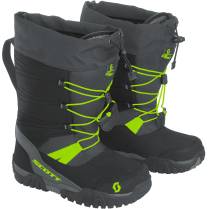
People often shop for snowmobile boots in Canada just by reading the temperature rating and stopping there. That number only tells you part of the story.
Insulation type, sole stiffness, and waterproofing all shift how a boot performs in real conditions. A boot rated to minus 40 still freezes your toes if it fits poorly or if the lining traps moisture from sweat. Even the best rating fails when sweat has nowhere to go.
Here is what to weigh:
- Insulation weight in grams, usually between 400 and 1200
- Removable liners, which dry overnight and last longer
- Waterproof membranes for slush, deep snow, and creek crossings
- Lug depth on the outsole for grip on packed trails and ice
- Calf height, which decides how much snow gets in when you step off
Riders who spend long days on tight trails often want something flexible. Backcountry riders who break trail and stand frequently lean toward stiffer support around the ankle.
A Quick Word on Layering and Replacement
Goggle lenses scratch over time, and even small surface damage scatters light at night. Replace them when you notice glare or persistent fogging that fresh anti-fog spray cannot fix.
Boot liners pack down after a season or two of regular use. Compressed insulation loses warmth fast, even if the outer boot still looks fine. A replacement liner often gives an old pair another year of solid riding.
Good gear is not about chasing the most expensive model on the shelf. It is about matching what you wear to where you ride and how cold it actually gets when you are out there.


