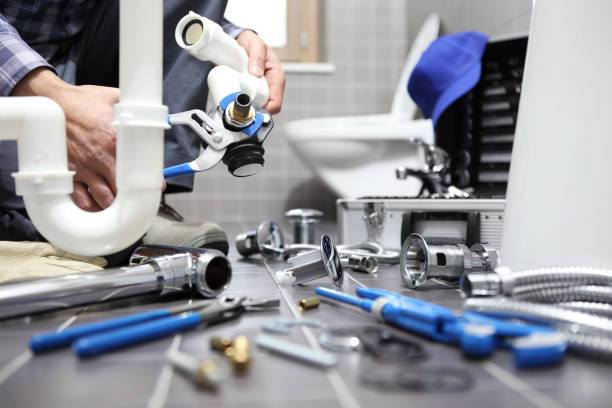
Homeowners normally don’t consider their plumbing until there is a problem. Usually, by that time, it is too late, since even a small drip in a pipe could have been eating away at the stud for weeks without detection. In a Thunder Bay winter, one crack in a pipe could fill a basement with water instantly. Here is what gets repeated on call after call by every Thunder Bay plumber. Much of it is minutiae. Little things that are obvious enough until you’re standing ankle-deep in your own basement.
Do you know where your main valve is? The first few minutes when there is an emergency in plumbing are critical. Most people waste the first few minutes rushing around like mad, trying to find the main valve when the water is gushing down from above. Ask any Thunder Bay plumber and they will tell you the same story. Once they finally find the valve, the damage is often irreparable by then.
Find your main valve now. Label it clearly. Ensure every adult in the household knows its location. One little trick can save you thousands of dollars in repairs.
Chemical drain cleaners do more harm than good.
They feel like a fast fix. This is not the case. These chemicals wear down old pipes made from metals and cause PVC to bend over time. Drains that are clogged will normally require a good snaking rather than pouring chemicals into them twice a week.
This is something that any honest plumber in Thunder Bay knows for sure. Pipes corroded by these chemicals tend to burst before their time, and this is costly when it comes to replacing them.
“Flushable” wipes are mostly a myth.
Unlike toilet paper, they do not disintegrate. They stick to tree roots and accumulate in curves until your sewage line and even the municipal sewers become blocked. Only toilet paper and feces are supposed to go in the toilet bowl.
Dental floss, feminine hygiene products, wet wipes, and cotton buds are all garbage and should be disposed of accordingly. It takes months for products described as “biodegradable” to break down, and your plumbing system cannot afford that.”
Water heaters do not last forever.
Most tanks last ten to twelve years. After that, sediment builds inside, and the steel quietly corrodes. A failing tank rarely warns you before it lets go.
Rust on the bottom part, pooling water, or decreased supply of hot water can be signs that your tank is more than 10 years old. Rumbling sounds from your tank indicate that sediment has been deposited in the lower area.
A little attention every month saves a lot of money.
Plumbing trouble rarely shows up at a good time. It hits on holidays, during cold snaps, or when guests are over. A little awareness changes the outcome. Walk the basement once a month. Check under sinks for slow drips. Look around the water heater for moisture. Listen for water running when nothing is turned on.
Catching a small problem early is the difference between a fifty-dollar fix and a five-figure insurance claim. Most homes give warning signs long before anything actually breaks. The trick is paying attention before things get noisy.
Featured Image Source: https://media.istockphoto.com/id/944254400/photo/plumber-at-work-in-a-bathroom-plumbing-repair-service-assemble-and-install-concept.jpg?b=1&s=612×612&w=0&k=20&c=TioCifLyjhPYs0uXXryEC0ec9NWwLQgqpMwN0U3lw7M=


