Maintenance teams across processing plants and factories spend more time chasing the same problems than most operations managers care to admit. Leaking joints, cracked fittings, and hoses that fail under load are not random events. They trace back to assemblies selected without fully accounting for the conditions they would face in daily service.
Where Faulty Assemblies Bleed Productivity
Routing Problems Start at the Design Stage: Many assemblies fail not because of operator error but because they were never routed with real field movement in mind. A flexible hose manufacturer that understands actual operating conditions accounts for bending radius, thermal expansion, and lateral shift. Assemblies built without this generate stress at joints and end fittings, accumulating long before any visible sign of damage appears.
Vibration and the Slow-Building Failure: In high-cycle environments, vibration quietly damages fluid lines. A hydraulic hose that is improperly clamped or routed too tightly will fatigue at the fitting before anything else gives way. Over weeks and months, that micro-movement leads to sealing failure. Teams then react with re-tightening and short-term replacement, never addressing what is actually driving the damage.
The Specification Decisions That Shape Maintenance Cycles
Material Selection Determines Failure Before It Happens: Material selection is where most hose system failures are predetermined. Choosing a compound based solely on pressure rating, without accounting for chemical compatibility or temperature range, is a shortcut that field conditions will expose quickly. The compound needs to match the fluid type, cycle rate, and ambient environment. Getting this right at specification stage cuts months of avoidable reactive maintenance.
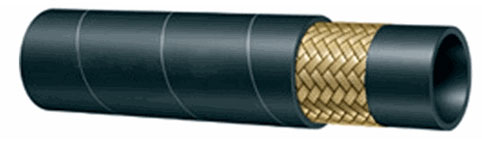
How Reinforcement Layers Protect Long-Term Sealing: The structural integrity of a hose assembly depends on how well reinforcement layers resist deformation under pressure spikes and repeated flexing. Braided or spiral-wound constructions distribute load across the assembly wall rather than concentrating it at one point. This separates assemblies that hold sealing pressure across thousands of cycles from those that gradually weaken and leak.
Catching the Signals Before a Full Failure Occurs
Warning Signs Most Teams Miss: Hose-related failures rarely arrive without warning. Most teams are managing reactive workloads and only notice the damage once it forces a shutdown. Catching these indicators early changes the maintenance timeline and reduces the cost of each repair event. The following patterns tend to appear before a complete assembly failure becomes unavoidable:
- Hoses that stiffen or crack near end fittings within the first operating year
- Leaks that return within weeks of being repaired or re-tightened
- Surface discolouration or degradation caused by fluid incompatibility
- Wear concentrated at bends or clamp points before rated service life ends
What to Inspect Between Service Intervals: When these signs appear, the response should not be another temporary fix. Assemblies showing these patterns need a review of the original specification, not just the failing component. Often the issue is a mismatch between the hose type and the operating environment. Re-specifying for the actual conditions is what breaks the repair cycle for good.
The Shift From Repair Runs to Reliable Operations
Industrial operations cannot afford to run maintenance-heavy fluid lines indefinitely. Each repeat repair call represents time, money, and risk that better-specified assemblies would have prevented. Connecting with a specialist who builds hose systems around actual operating conditions is the step most teams delay too long. The difference shows up in fewer service interruptions and lower repair costs across the facility.
Featured Image Source: https://www.jreltd.com/images/hydraulic-hose/1.jpg


