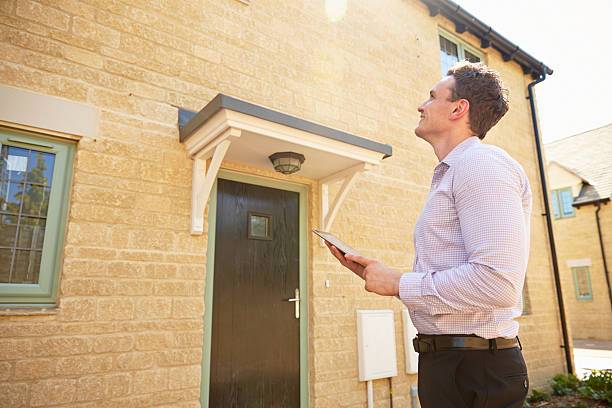
Chichester is an unusual mix of building eras. You will pass by Flint cottages, Victorian terraces, Georgian townhouses, new estate homes, and 1930’s semis within a short distance of each other. Each of these properties is viewed differently under inspection. That is why the approach to a homebuyers survey in Chichester buyers commission, has to shift with the property in front of it.
How a Surveyor Approaches a Period Home
Period properties in West Sussex come with their own unique features like flint walls, lime mortar, timber frame, solid brick, sash windows, and slate roofs. A local surveyor in Chichester, familiar with these materials, reads them differently than a modern building.
Here is why.
- Solid walls without cavities behave differently when damp.
- Lime mortar was designed to flex. Cement pointing added later can trap moisture.
- Slate roofs may suffer from nail fatigue rather than slipped tiles.
- Original sash windows often need repair, not replacement.
- Timber frames can hide beetle activity or historic alterations.
A RICS Home Survey Level 3 suits most period homes as it covers original features, past repair work, and what a buyer should budget for over the next five to ten years. Some period homes also sit in conservation areas or carry listed building status, and any works may need consent from Chichester District Council. The report flags that too.
What Gets Flagged Most Often
- Dampness at a low level.
- Movement cracks near bay windows.
- Roof spread where ceiling ties have been cut.
- Old wiring is still running through lath and plaster walls.
Though not all of this is fatal, these are the things you want to know about before you commit.
How a Surveyor Approaches a Modern Home
Newer homes bring a different checklist that includes cavity walls, trussed rafters, double glazing, plasterboard partitions, and pressed concrete tile roofs. A RICS Home Survey Level 2 works well for such properties built after 1960 that look to be in reasonable condition. The inspection usually runs through:
- Cavity wall tie condition in exposed coastal locations
- Settlement cracks around newer extensions
- Condensation patterns on cold bridges
- Age of the boiler, consumer unit, and windows
- Flat roof coverings on extensions and garages
Though modern homes often look unproblematic at first glance, many hide shortcut repairs. This may be a botched rear extension, a boiler moved without Gas Safe certification, or a new kitchen fitted over damp floorboards. They may also hide snagging issues, incomplete rendering, and poorly sealed windows. A homebuyer’s survey in Chichester inspection catches the things a developer might not volunteer.
Where the Local Angle Really Counts
Since Chichester sits close to the coast, the buildings have to face unique conditions like salt air, variable water tables, and ground conditions ranging from chalk to clay. These factors greatly affect the survey. A surveyor in Chichester who works within the area can spot these patterns faster than someone unfamiliar with West Sussex ground.
What You Should Do With the Findings
Read the report the day it arrives and ask questions to your surveyor. If repairs will run into thousands, you have grounds to renegotiate the price or ask the seller to address issues before completion to land a fair purchase.
Featured Image Source: https://media.istockphoto.com/id/488689322/photo/male-real-estate-agent-looking-up-at-a-house-exterior.jpg?b=1&s=612×612&w=0&k=20&c=B0ty-J8EDVpK0oNKmYtg2UgYzYQdkBm0LlCIG1ASIRU=


