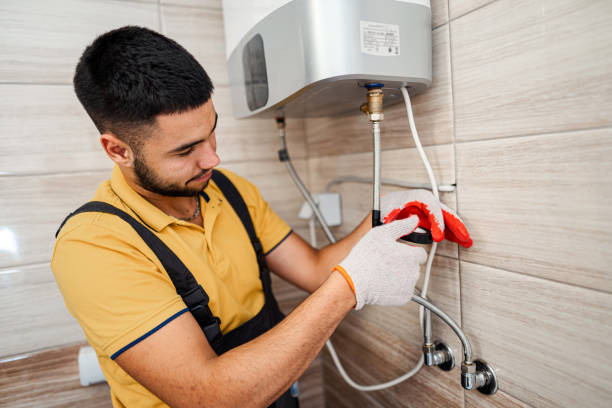
Replacing a failed water heater feels urgent. Homeowners want hot water back fast. Rushing into the installation without checking the existing pipes, valves, and connections can turn a simple upgrade into an expensive nightmare. Hidden issues lurk behind walls and under floors.
Understanding System Requirements Before Installation
Why Inspections Matter for Electric Units: Installing a water heater electric system requires more than swapping an old one for new. Electrical panels must handle the load. Circuits need proper amperage. Wiring that worked for gas won’t support electric demand. An inspection catches these mismatches before installation day. Technicians measure voltage, check breaker capacity, and identify outdated wiring that could fail under new demands. Phoenix homes with older electrical systems face particular risk.
How Professional Assessment Protects Your Investment: Plumbing systems age differently in every home. Hard water deposits build up inside pipes over decades. Corrosion weakens connections. Pressure fluctuations stress joints and fittings. A professional inspection documents these conditions before the new unit arrives. Technicians test water pressure, examine pipe material, and check for leaks that could worsen after installation. This step prevents emergency callbacks when old pipes fail under new system stress.
Critical Components That Need Evaluation
Pressure Relief Valve Condition: Older temperature and pressure relief valves often corrode or freeze in place. These safety devices must function correctly. A stuck valve can cause dangerous pressure buildup in the new tank. Inspections test valve operation and replace failed units before the new heater goes in. This single check prevents potential tank ruptures that damage property and risk lives.
Existing Pipe Assessment: Original plumbing might not meet current demands. Galvanized pipes restrict flow. Undersized lines can’t deliver adequate water volume. An inspector measures pipe diameter, tests flow rate, and identifies sections that need upgrading. Replacing problem sections during installation costs less than emergency repairs later. Water moves through the system more freely after proper sizing.
Sizing and Capacity Planning
Matching a Unit to Household Needs: Phoenix families use more hot water than heating system calculations suggest. Multiple showers, laundry loads, and dishwasher cycles run simultaneously during peak morning hours. An inspection reviews actual usage patterns and recommends appropriate capacity. Installing an undersized unit means cold showers and frustrated occupants. Oversizing wastes energy and money. Proper assessment finds the right balance.
Code Compliance Verification: Local building codes change over time. Older installations might not meet current standards for:
- Drain pan requirements under indoor units
- Earthquake straps in applicable zones
- Proper venting for combustion exhaust
- Adequate clearance around equipment
- Expansion tank installation mandates
Inspectors identify code gaps and ensure the new system passes inspection on first attempt.
Prevention Saves Money
Hidden Problem Detection: Small leaks behind walls grow into major water damage. Corroded supply line fittings fail weeks after new equipment starts operating. An inspection finds these weak points early. Repairing compromised pipes during installation prevents callbacks and water damage restoration bills that can run into thousands. Pre-installation fixes cost a fraction of emergency repairs.
Long-Term Performance Assurance: Clean connections, proper pressure, and code-compliant installation extend equipment life. New units last 10 to 15 years when supporting systems function correctly. Skipping inspection shortens this timeline. Dirty water, excessive pressure, or inadequate venting stress components and cause premature failure.
Conclusion
Phoenix homeowners deserve hot water systems that work reliably for years. A pre-installation inspection protects your investment by identifying problems before they become emergencies. Professional technicians examine every connection, test pressure, verify electrical capacity, and ensure code compliance. This thorough approach prevents costly surprises and extends system life. Call 602-257-9000 for 24/7 service from highly trained technicians who complete inspections right the first time.
Featured Image Source: https://media.gettyimages.com/id/1331805415/photo/technician-repairing-an-hot-water-heater.jpg?s=612×612&w=0&k=20&c=x0tcwi5LEVL4sP1ZRZV3or3VEzZPtZ5nDUpf2GgVpi0=


