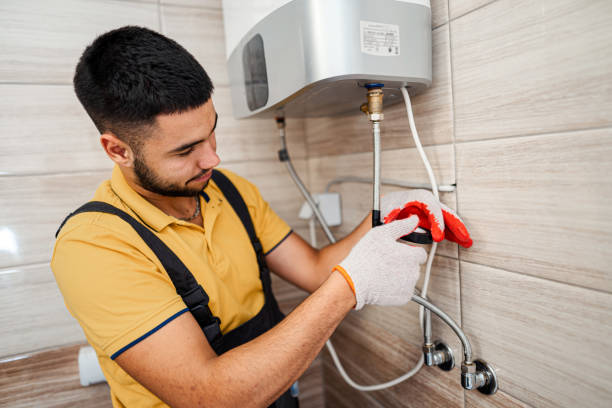
Homeowners face a frustrating choice when their water feels rough and their hot water runs cold. You can replace a failing tank or deal with spotty dishes and stiff laundry. But treating these as separate problems misses the bigger picture. Hard water destroys hot water systems from the inside out, shortening their life and driving up monthly bills. Fixing one without addressing the other just delays the next crisis.
How Water Treatment Protects Your Investment
Eliminating Minerals at the Source: A water conditioning system removes calcium and magnesium before they reach your tank. These minerals bond to heating elements and interior walls, forming thick crusts that block heat transfer. In contrast, soft water flows cleanly through pipes and fixtures, preventing the buildup that forces premature replacements. Your system works as designed when scale never gets the chance to form.
Fast Recovery with Gas Power: Pairing conditioned water with a water heater gas system creates reliable performance. Gas units heat water faster than electric models, recovering quickly during high-demand periods like morning showers. When mineral-free water enters the tank, the burner transfers heat directly to the water instead of battling through layers of scale. You get hot water when you need it, not an hour after everyone else.
Real Benefits That Show Up on Bills
Extended Equipment Lifespan: Sediment buildup kills hot water systems years before their time. A gas tank paired with conditioned water can last 15 years or more, compared to 8 or 10 years with hard water constantly attacking internal components. That difference translates to thousands saved on replacement costs and emergency service calls when tanks fail at the worst possible moment.
Lower Monthly Costs: Clean heating surfaces use less fuel. When a gas burner doesn’t fight through mineral deposits, it maintains efficiency ratings instead of steadily declining performance. Your energy bills stay predictable rather than creeping upward each year as scale thickens. The savings compound month after month, offsetting the initial investment in water treatment equipment.
What Homeowners Gain from the Combination
Multiple Advantages Working Together: This pairing delivers benefits across your entire home:
- Fixtures stay cleaner without white residue or soap scum buildup
- Appliances run longer when mineral-free water circulates through washing machines and dishwashers
- Skin and hair feel softer after a shower without harsh mineral content
- Plumbing systems avoid the clogs and corrosion that lead to leak emergencies
Protecting Critical Components: The heat exchanger in a gas system performs best with clean water flowing across its surface. Conditioned water prevents the crusty deposits that create hot spots and eventual cracks. Tanks maintain proper pressure without scale choking off water flow or causing dangerous pressure spikes. Regular maintenance becomes simpler when technicians don’t need to flush pounds of sediment from your system.
Conclusion
Combining water treatment with gas-powered hot water delivery stops problems before they start. You avoid the panic of cold showers, the expense of frequent repairs, and the waste of burning fuel to heat through mineral layers. Professional installation ensures both systems work together properly, with appropriate sizing for your household needs and local water conditions. Contact a licensed plumber to evaluate your current setup and design a solution that delivers clean, hot water for years without the constant worry of what might fail next.
Featured image service: https://media.gettyimages.com/id/1331805415/photo/technician-repairing-an-hot-water-heater.jpg?s=612×612&w=0&k=20&c=x0tcwi5LEVL4sP1ZRZV3or3VEzZPtZ5nDUpf2GgVpi0=


