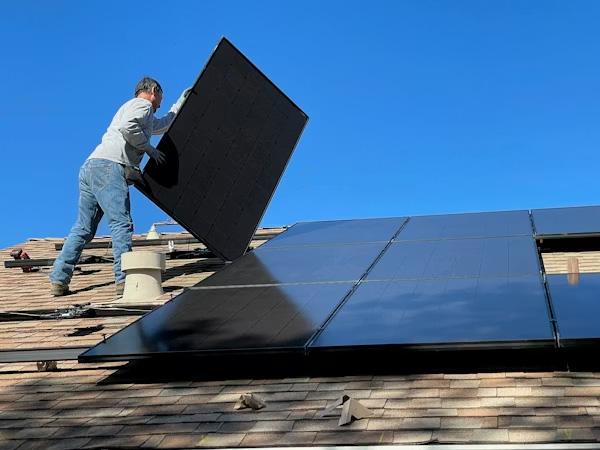
Solar decisions shape upfront costs and daily energy habits. Property owners across Ontario face this choice when planning for renewable installations. Location matters. Energy needs matter. Budget drives most decisions, though some prioritise independence over pure economics.
Understanding System Types
Grid-Tied Solar Advantages: Properties with reliable utility access benefit from solar power Canada grid-tied installations connecting directly to the electrical grid. These systems feed excess energy back through net metering, earning credits that offset nighttime consumption. Equipment costs run lower. No battery storage needed. Inverters handle conversion work with minimal fuss.
Complete Energy Autonomy: Remote locations without utility infrastructure need off grid power systems Canada solutions generating and storing all required electricity. Battery banks capture daytime solar production for evening use. Cottages, farms, and properties where grid connection fees exceed system costs. The setup demands planning around consumption patterns and seasonal production that swings wildly between June and January.
Cost Breakdown Realities
Initial Investment Differences: Expect to spend £8,000 to £15,000 on a grid-tied residential system. Size of the array and inverter specifications move that number around. Off-grid? A whole different ballgame. Starts closer to £15,000, climbs past £35,000 fast once battery banks enter the picture. Those batteries hit wallets hard. Opening that first quote usually stings more than people expect. Lithium-ion batteries are effective for around longer, 15 years or even better, but cost two or three times more upfront than lead-acid types that burn out in half the time.
Long-Term Financial Planning: Grid-connected systems are advisable, too, because they pay for themselves through smaller utility bills and net metering credits that add up month after month. Takes 10 years, sometimes stretches to 15 before the system breaks even. Off-grid setups eliminate utility bills completely but those battery banks wear out. New ones needed every 5 to 15 years based on chemistry and usage patterns. Oversized solar arrays compensate for winter production drops in Northern Ontario. Those extra panels add to initial costs. Quotes arrive higher than expected when installers factor in December and January output.
Reliability and Performance
Power Security Considerations: Grid-tied systems go down when utilities fail unless paired with battery backup. Off-grid setups provide energy independence but demand conscious management. Turn on the dryer, boil water, run a space heater all at once? Watch those batteries drop faster than the panels can fill them back up, especially when clouds roll in. Cloudy stretches that last days test system sizing decisions made months earlier.
Seasonal Challenges: Ontario winters hit both systems differently. Grid-tied installations produce less. Draw from utilities when needed. Off-grid users must size arrays larger to capture limited winter sunlight between November and March. Snow removal from panels becomes essential during December through February when backup power sources may run for extended periods to bridge production gaps.
Maintenance Requirements
Ongoing System Care: Grid-tied setups need inverters checked once a year, panels wiped down when dust and pollen pile up thick enough to cut production. Off-grid systems require regular battery monitoring. Electrolyte level checks for flooded lead-acid types. Connection inspections. Terminal corrosion. Professional servicing costs more for off-grid. Added complexity and specialized knowledge that most installers charge premium rates for, sometimes double their grid-tied service fees.
Making the Right Choice
Location Drives Decisions: Properties within 300 metres of existing power lines usually benefit from grid-tied solar unless utility connection fees exceed £20,000. Remote sites beyond that distance find off-grid economically sensible. Cottage owners decide based on seasonal usage patterns and whether year-round access matters.
Key Selection Factors:
- Distance to nearest utility connection point and associated hookup costs that escalate fast beyond 200 metres
- Annual energy consumption patterns and peak demand periods throughout seasons
- Available budget for initial investment and ongoing maintenance over system lifespan
- Willingness to monitor and manage energy usage daily rather than set-and-forget approach
- Climate conditions and seasonal sunlight availability affecting production capacity in your specific region
Conclusion
Solar energy works for diverse Ontario properties through either grid-tied or off-grid configurations. Grid-connected systems offer lower costs and simpler maintenance for properties with utility access. Off-grid installations provide independence for remote locations willing to invest more upfront. Assess property location, energy consumption, budget, and lifestyle priorities before choosing. Contact qualified solar installers for site-specific assessments matching system design to needs and ensuring compliance with provincial regulations.
Featured Image Source: https://images.unsplash.com/photo-1624397640148-949b1732bb0a?w=600&auto=format&fit=crop&q=60&ixlib=rb-4.1.0&ixid=M3wxMjA3fDB8MHxzZWFyY2h8MTV8fHNvbGFyJTIwcGFuZWx8ZW58MHx8MHx8fDA%3D


