Mechanical assemblies fail when fasteners can’t handle the job. Loose connections lead to vibration, misalignment, and eventual breakdown. The cost of downtime in manufacturing or construction can run into thousands per hour. You need fasteners that stay put.
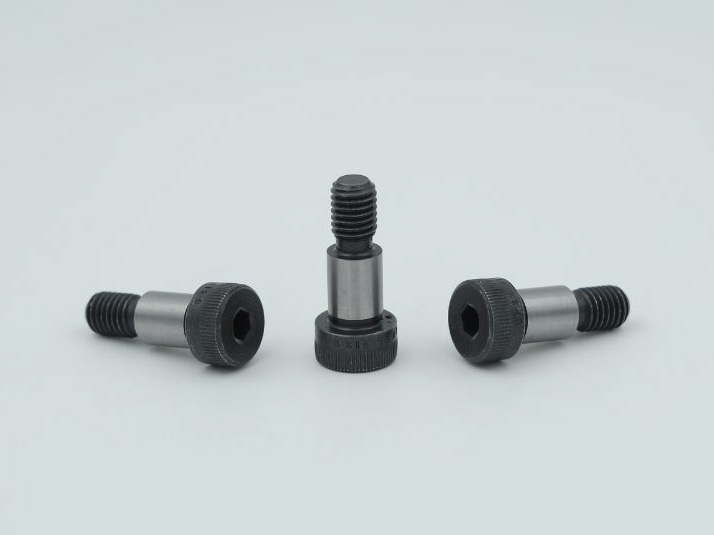
Shoulder head bolts solve a problem that standard bolts can’t. They feature a smooth, unthreaded section beneath the head that acts as a precision shaft. This design keeps parts aligned while allowing controlled rotation. Think of applications where exact spacing matters: pivot points, bearing assemblies, and linkage systems all benefit from this unique geometry.
The shoulder head bolts create a standoff between components. Regular bolts and nuts tighten everything together in a fixed position. But shoulder variants maintain a specific gap. This matters when you need parts to move relative to each other while staying connected. The unthreaded portion bears the load, reducing wear on threads.
Where You’ll Find Them Working
Automotive applications use these fasteners extensively. Door hinges need smooth operation over thousands of cycles. The shoulder prevents binding while the threaded portion secures everything. Engine mounts require precise positioning to manage vibration. A shoulder bolt maintains that spacing even under constant stress.
Manufacturing equipment relies on them for adjustable fixtures. You can position components exactly where needed, then lock them down. The shoulder ensures repeatability. When you’re producing parts to tight tolerances, consistent setup saves time and reduces scrap.
Construction machinery faces harsh conditions. Dust, moisture, and shock loads test every connection. Shoulder bolts provide both alignment and strength. They’re common in excavator arms and loader mechanisms where pivot points must endure extreme forces.
Material Choices Matter
Steel grades vary based on strength requirements. Grade 5 handles most general applications. Grade 8 works for high-stress environments. Stainless options resist corrosion in wet or chemical-exposed settings. The shoulder must be hardened to resist wear from rotation or sliding contact.
Surface treatments extend service life. Zinc plating provides basic corrosion protection. Black oxide offers a thin coating for indoor use. For marine or chemical environments, consider stainless steel or speciality coatings.
Installation Considerations
Getting the length right is critical. The shoulder must extend through all components that need spacing. The threaded portion must be long enough to engage the nut or tapped hole properly. Too short and you lose clamping force. Too long and you waste material.
Torque specifications depend on thread size and material. Over-tightening damages threads or strips them entirely. Under-tightening allows movement and wear. Use a torque wrench for critical applications. Check manufacturer guidelines for specific values.
The hole diameter in the component matters. Too tight and the shoulder binds. Too loose and you lose alignment benefits. Most applications call for a close sliding fit. A few thousandths of clearance lets parts move while maintaining position.
Maintenance and Inspection
Check for wear/tear on the shoulder surface periodically. Grooves or flat spots indicate misalignment or excessive load. Replace worn fasteners before they fail. Threads should be clean and undamaged. Damaged threads reduce clamping force and can’t be relied on.
Lubrication helps in moving applications. A light coating prevents galling and reduces friction. Don’t over-lubricate, as excess attracts contaminants. Clean old lubricant before reapplying.
Making the Right Choice
Match the bolt to your load and environment. Calculate shear forces on the shoulder. Check tensile loads on threads. Factor in vibration and thermal cycling. Each variable affects fastener selection.
When standard bolts create alignment problems or allow unwanted movement, shoulder variants provide the answer. They combine positioning accuracy with reliable clamping. The design prevents common failure modes in mechanical assemblies. Choose them when precision and durability can’t be compromised.


