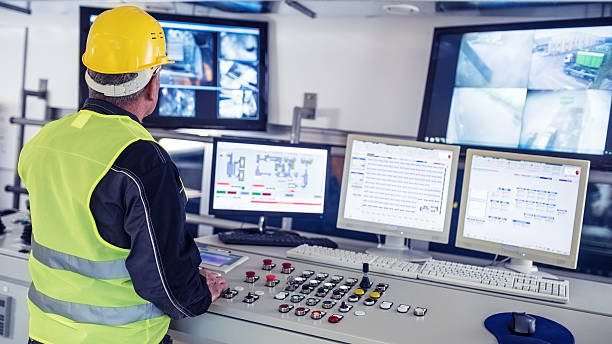
Project execution in industrial automation demands more than technical skills. The difference between smooth commissioning and costly delays often comes down to how well control integration partners bridge the gap between design intent and operational reality across each project phase.
Industrial projects fail most often during the handoff between design and deployment. Engineers create detailed specifications, yet something gets lost when systems go live. Equipment doesn’t communicate as planned. Sensors report inconsistent data. Operators struggle with interfaces that make sense on paper but confuse everyone on the factory floor.
Understanding Integration Across Project Phases
Requirements Definition and System Architecture: The role of a control system integrator becomes apparent during initial project scoping. Internal teams know their processes, but translating operational needs into technical requirements requires someone who speaks both languages. Integrators ask questions that prevent expensive redesigns later. They identify conflicts between existing infrastructure and new automation goals before procurement begins.
Design Development and Programming Strategy: Effective control systems engineering depends on understanding how individual components function as part of a larger system. PLC programming isn’t just about logic sequences. It involves anticipating failure modes, building in diagnostic capabilities, and creating code that technicians can troubleshoot at 2 AM without calling for backup.
Execution Elements That Separate Successful Projects
Hardware Selection and Procurement Coordination: Choosing the right components requires balancing performance specifications against long-term support considerations. Some vendors offer cutting-edge features but limited technical support. Others provide reliable hardware with extensive documentation and readily available replacement parts. The decision can impact operational costs for years.
Testing Protocols and Validation Methods: Factory acceptance testing reveals issues in controlled environments where fixes cost less. Experienced integration teams simulate edge cases that internal staff might not consider. They test communication protocols under load conditions, verify alarm responses, and ensure HMI displays present the information operators need during both normal operations and emergency situations.
Commissioning and Knowledge Transfer
Site Integration and System Startup: Moving from shop floor testing to live production introduces variables no simulation can fully replicate. Existing equipment might generate electrical noise that interferes with new sensors. Network latency issues emerge under real production loads. Integration specialists troubleshoot these problems quickly because they’ve seen similar situations before.
Operator Training and Documentation: Technical manuals often fail operators, who need quick answers during production runs. Effective knowledge transfer includes:
- Step-by-step troubleshooting guides for common issues
- Visual aids showing proper startup and shutdown sequences
- Contact information for escalating problems beyond operator authority
- Maintenance schedules with clear indicators for preventive tasks
Performance Validation and Handover: Final acceptance involves more than confirming the system runs. It requires verifying that production targets are met, quality metrics align with specifications, and operators feel confident managing the new equipment. This phase separates integrators who complete projects from those who deliver operational success.
Conclusion
Project success in industrial automation depends on consistent execution from initial specifications through final commissioning. The right integration partner brings experience that prevents common pitfalls, technical depth that solves complex problems, and communication skills that keep all stakeholders aligned.
Companies facing automation projects should evaluate potential partners based on their documented project execution methodology and their ability to support systems after handover. Request references from similar projects and ask specific questions about their commissioning approach and post-implementation support structure.
Featured Image Source: https://media.gettyimages.com/id/482550126/photo/technician-in-control-room.jpg?s=612×612&w=0&k=20&c=mWDp6sG9ta9JCqqNsvL1_lMV2VcWgJXTNDzsDqxdxFA=


