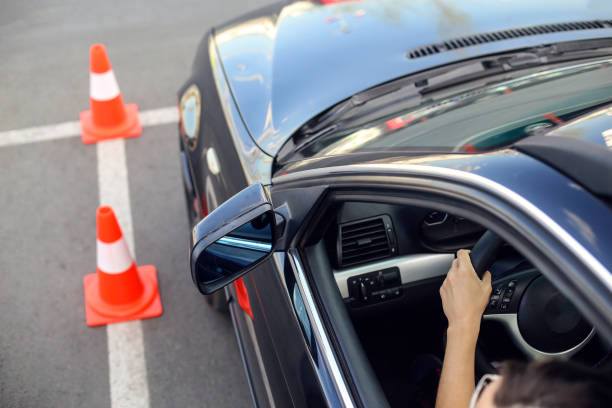
The first hour in a learner car matters more than most people realise. It sets the rhythm for every lesson that will come after it. If something feels off early on, perhaps it is worth paying attention.
Plenty of new drivers sign up with the first driving school in Glasgow they find online. Then they spend weeks wondering why progress feels slow. The clues were there from minute one.
The Instructor’s Tone Says a Lot
You can tell within ten minutes whether your instructor wants to teach you or just clock hours. A good one walks you through the car before asking you to move it. A rushed one hands you the keys and watches the clock. The right driving school in Glasgow will pair you with someone who treats your time as seriously as their own. Listen to how they talk about mistakes. Some treat every stall like a personal failure. Others say “try again” and mean it. That difference shapes how you feel in the lessons that follow, and it is often what separates an average driving school in Glasgow from one worth recommending.
How the Car Feels in the First Few Minutes
The car itself gives you signals. Is it clean? Are the controls easy to reach? Does it smell like the last student left ten minutes ago? Does the instructor explain what each control does?
Small things matter. A tidy, well-kept car suggests the school cares about how it presents itself. A worn-out one might mean they cut corners elsewhere too. The seat, the mirrors, the brake feel, all of it tells you something about who you are dealing with.
You also want dual controls, more so in automatic cars. Most reliable driving schools in Glasgow include them as standard. Ask if you are not sure of this difference.
The Route They Choose for Lesson One
Pay attention to where they take you. A thoughtful instructor picks a quiet area first, maybe a residential zone with light traffic. They build you up slowly before proceeding to the difficult parts.
A less considered one heads straight into the city centre to “see how you handle it.” That approach can shake your confidence before lesson two even starts. Some people never recover from a bad first lesson, and they end up paying for that mistake long after. The wrong start can cost an extra ten or fifteen lessons easily.
How They Handle Your Nerves
Nearly every new learner feels nervous in the first hour. The question is whether the instructor notices and adjusts accordingly.
Good ones slow down. They explain things twice if needed. They check if you are okay before pushing into something harder.
The wrong instructor might tell you to “just relax” without changing anything. That kind of response often pushes anxious learners to quit before they ever sit a test. The fear builds, the lessons drag, and the test date keeps getting pushed back.
Trusting What That First Hour Tells You
Most learners ignore those first-hour signals. They assume things will improve. Sometimes they do. Often they do not.
Switching schools later costs money and time. Worse, a poor early experience can stick with you for years. Some people put off driving for a decade because their first hour went poorly. By then, the cost of catching up has doubled.
Among the driving schools in Glasgow, the right one usually shows itself early. A patient instructor. A calm route. A car you feel comfortable in. If those are missing, it might be worth looking again before booking lesson two.
Trust the small signs. They tend to be right.
Featured Image Source: https://media.istockphoto.com/id/1335863186/photo/obstacle-course.jpg?b=1&s=612×612&w=0&k=20&c=r6qhKF05XFlg1VYqpbj-L2jwdxRWqmO7gv2LT1zIOD4=


