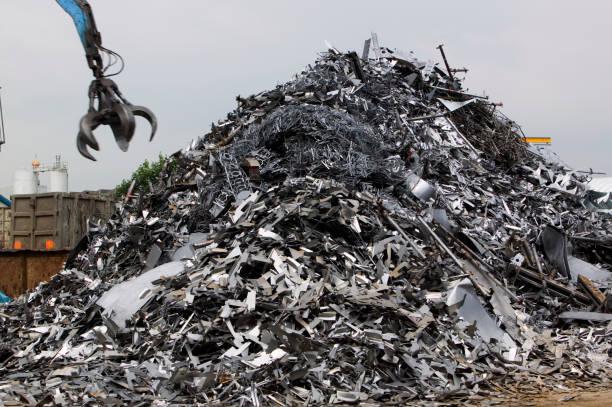
Businesses rarely think about scrap metal until it becomes a visible problem. At smaller scales, a pile of offcuts feels manageable enough to deal with later. But as operations grow, that same pile multiplies in ways that catch teams off guard. What once seemed minor starts blocking workflows, creating hazards, and attracting regulatory scrutiny. The cost of ignoring it compounds in ways that are hard to reverse.
When Waste Outgrows Your Current System
Volume Shifts Faster Than Processes Do: As production scales, the demand for reliable metal scrap pick up becomes urgent and difficult to put off. Most businesses discover this gap only after waste has already overwhelmed existing storage capacity. Without a scheduled collection system in place, scrap accumulates across the site, creating congestion that slows operations and raises the risk of accidents in high-traffic work areas.
Keeping Disposal Consistent Across the Operation: Responsible metal recycling turns excess scrap from an operational liability into a recoverable asset. Irregular disposal habits mean metals end up mixed, contaminated, or discarded rather than processed correctly. Businesses that recycle consistently reduce disposal costs over time, meet environmental obligations more easily, and recover value from materials that would otherwise represent a direct financial loss.
The Hidden Costs of Letting It Slide
Scrap Piles Create Genuine Safety Exposure: Accumulated scrap creates physical hazards that become harder to manage as site volumes grow. Sharp edges, unstable stacks, and cluttered pathways are among the most frequent contributors to workplace injuries. Ferrous scrap left exposed in open areas also degrades over time, causing rust contamination that can damage nearby equipment and reduce the recoverable value of on-site materials.
Compliance Risk Grows With Production Volume: Regulatory bodies pay closer attention to businesses generating significant industrial waste without documented processes. Sites that lack evidence of waste stream management or proper disposal records face a higher chance of audit findings and financial penalties. Building structured disposal practices into daily operations now is far less disruptive than managing the fallout of a compliance issue later.
What Structured Disposal Actually Changes
The Operational Gains Come Quickly: Organised scrap removal keeps work areas clear, reduces the time staff spend managing material overflow, and limits contamination risk across the site. When collection runs on a consistent schedule aligned with production output, teams can focus on core work rather than navigating the growing pile near the loading dock. Most operations notice the difference within the first few weeks.
What a Practical System Looks Like: Getting the basics in place does not require major process overhauls. A few straightforward steps make a measurable difference:
- Designated storage zones for sorted metals to prevent cross-contamination
- Scheduled collections aligned with actual production output volumes
- Clear separation of ferrous and non-ferrous materials before pick-up
- Basic documentation of disposals for compliance and internal records
Each step reduces friction, keeps the site safer, and ensures scrap is handled in a way that supports broader environmental goals.
Small Habits, Serious Consequences
When scrap management is treated as a low priority, the consequences tend to arrive at the worst possible moments. A site inspection, a workplace injury, or a compliance failure can often be traced back to disposal habits that seemed harmless at smaller scales. Building a structured, scalable process now protects operations as volumes continue to grow. Contact the team directly to arrange collection for commercial or industrial sites.
Featured Image Source: https://media.gettyimages.com/id/520400310/photo/pile-of-scrap-metal.jpg?s=612×612&w=0&k=20&c=NgHHGoSBNldjXJfXA0Viu6bJxlzYEpke7DsLSDziy0M=


