Group travel planning often becomes complicated when organisers try to balance budgets with passenger comfort. The challenge lies not just in finding affordable transport but in ensuring everyone arrives together, on time, and without unnecessary stress. Different group sizes and trip types demand different approaches to vehicle selection and cost analysis.
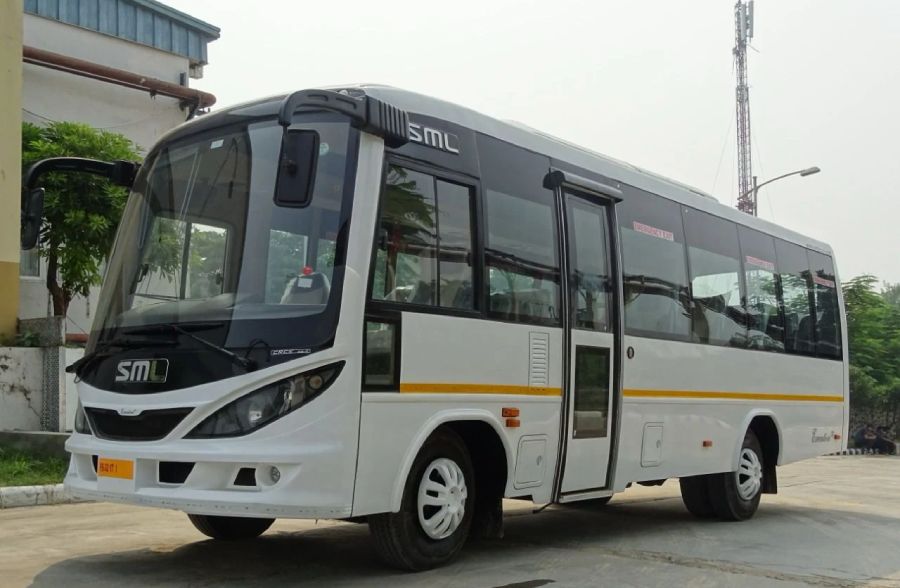
Budget Analysis Per Passenger: When evaluating 25 seater mini bus rent price, the most revealing metric comes from dividing total costs by passenger count. A mini bus rental averaging ₹8,000-12,000 for a day translates to ₹320-480 per person for 25 travellers. This figure typically includes fuel, driver charges, and basic insurance coverage, making it straightforward to budget.
Multi-Vehicle Coordination Challenges: Booking group transport options like five separate sedans or three tempo travellers might seem flexible initially. Each sedan carrying five passengers could cost ₹2,500-3,500 daily, totalling ₹12,500-17,500 for the group. Beyond higher costs, this approach creates communication gaps, varying arrival times, and potential confusion at destinations when vehicles get separated in traffic.
Cost Components Worth Examining
Fuel Efficiency Considerations: Mini buses generally consume 8-10 kilometres per litre on highways, whilst sedans offer 12-15 km/l. For a 300-kilometre round trip, a mini bus might use 30-37 litres compared to 100-125 litres across five sedans. Despite better individual vehicle economy, the fleet management complexity and cumulative fuel costs favour single-vehicle solutions for groups.
Hidden Charges and Extras: Rental agreements often include charges beyond base prices. Multiple vehicles multiply these extras, parking fees at each stop, separate toll payments, and individual driver allowances add up quickly. A single mini bus simplifies these transactions, with one parking spot, one toll payment, and one driver to coordinate.
Comfort and Convenience Factors
Passenger Space Allocation: Modern mini buses provide reclining seats, climate control, and luggage compartments that sedans cannot match when fully occupied. Cramming five adults into a sedan for several hours creates discomfort, particularly on longer journeys where rest stops become more frequent and necessary.
Group Cohesion Benefits: Travelling together enables real-time discussions, shared experiences, and easier decision-making about route changes or unplanned stops. Split groups must rely on phone calls and text messages to coordinate, often missing spontaneous opportunities that make trips memorable.
Alternative Options Assessment
Larger Coach Comparisons: 40-50 seater coaches might cost ₹15,000-20,000 daily but leave many seats empty for groups of 20-25. The per capita expenditure rises when paying for unused capacity, and oversized vehicles face parking restrictions at certain destinations that mini buses easily access.
Tempo Traveller Combinations: Using two 12-seater tempo travellers divides groups into subsets whilst costing ₹12,000-16,000 combined. This middle-ground option works when group dynamics favour smaller clusters but still requires managing two drivers, two schedules, and two sets of logistics.
Making the Final Choice
Trip Duration Impact: Day trips under 300 kilometres suit mini buses perfectly, offering cost efficiency and convenience. Multi-day journeys require additional considerations like overnight driver charges and vehicle parking security, where costs begin equalising across different transport types.
Booking Timing Strategies: Advance bookings during off-peak seasons yield better rates than last-minute weekend reservations. Comparing quotes from multiple providers and negotiating package deals for return journeys or extended rentals typically reduces overall expenses by 10-15 percent.
Selecting appropriate group transport demands more than comparing headline prices. Calculating true per-person costs, evaluating comfort requirements, and considering coordination complexity reveals whether a 25-seater mini bus delivers better value than alternatives. For most medium-sized groups, the combination of cost efficiency, passenger comfort, and logistical simplicity makes mini buses the practical choice worth serious consideration.
Featured Image Source: https://lh3.googleusercontent.com/p/AF1QipNlyLo0q1NkoF8UcG3HUZ32t3rj5oT1aZlERHcL=s1360-w1360-h1020-rw


